
Skips for Managing Construction Waste During Extension Works
Property extension projects can significantly improve living and working spaces, whether they involve expanding a family home, creating additional office capacity, or upgrading public facilities. While these developments offer many benefits, they also generate considerable volumes of waste throughout the construction process.
Bricks, concrete, timber, plasterboard, packaging materials, and general debris can quickly accumulate if not managed properly, making skips a practical solution for keeping sites organised and waste under control.
For homeowners, landlords, surveyors, local authorities, and commercial property managers, maintaining an organised site is essential for keeping projects running smoothly. Effective waste management supports safety, improves efficiency, and helps contractors maintain a cleaner working environment from the beginning of the project through to completion.
Understanding Waste Generated During Extension Projects
Every extension project creates waste, regardless of its size or complexity. Even relatively modest property improvements often produce substantial amounts of material requiring removal throughout the build.
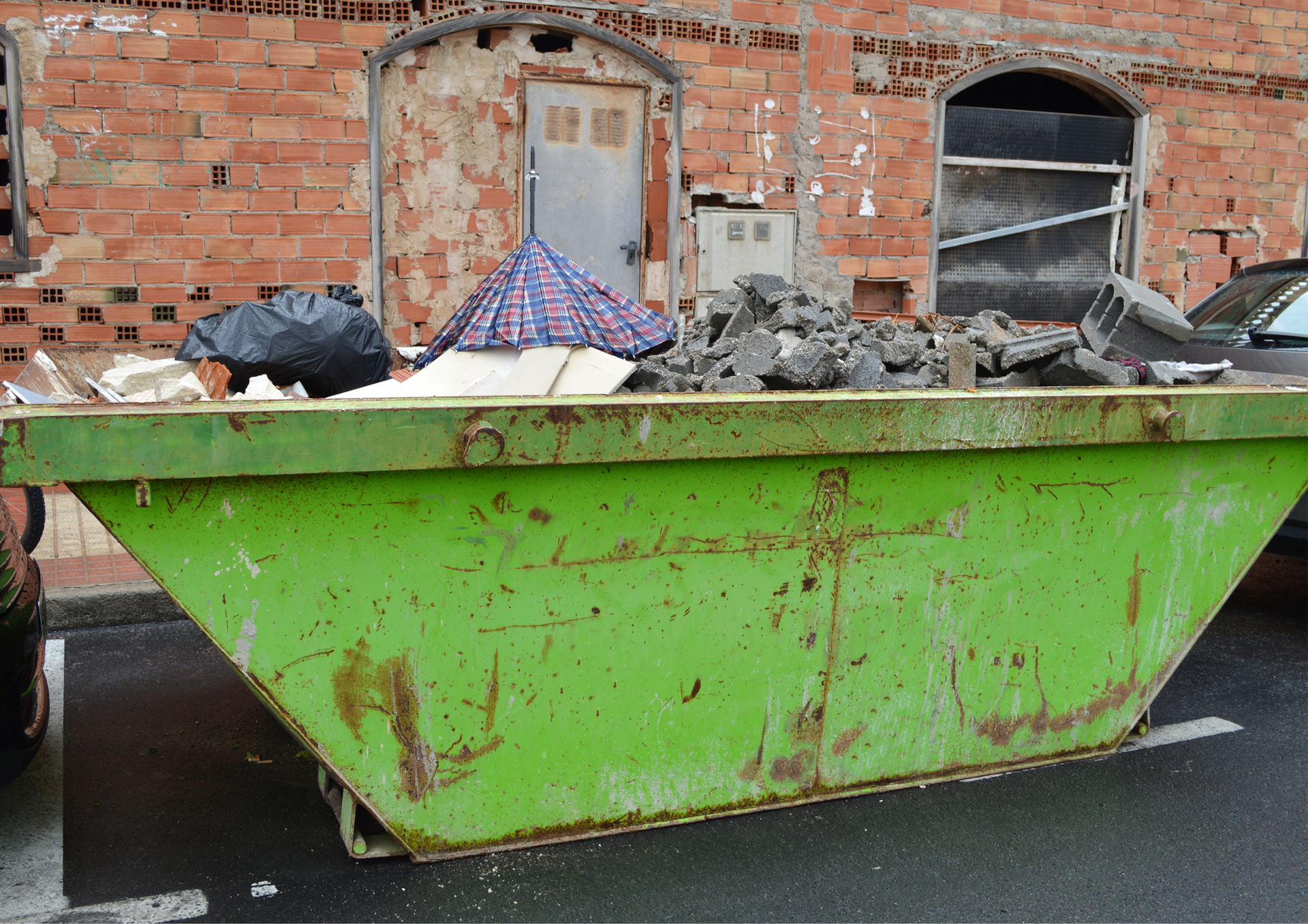
Demolition work frequently generates some of the largest waste volumes. Removing walls, floors, roofing materials, foundations, or existing structures can result in significant quantities of rubble and construction debris. As the project progresses, additional waste may include timber offcuts, insulation materials, metal components, plastic packaging, and discarded fixtures.
Without an organised disposal strategy, these materials can quickly occupy valuable workspace and create unnecessary obstacles for contractors. Accumulated waste may slow progress, reduce accessibility, and make site management more difficult.
Using appropriate waste management solutions allows materials to be collected in a designated location, helping maintain a cleaner and more productive environment. Contractors can focus on construction tasks rather than continually relocating piles of debris around the site.
Different phases of a project often generate varying types of waste. Early groundwork may produce soil, hardcore, and concrete materials, while later stages create packaging, timber offcuts, and finishing materials. Understanding these changing requirements helps improve overall waste planning.
The main keyword skips remain one of the most practical solutions for handling these changing waste streams during extension developments of all sizes.
Improving Site Organisation and Safety During Construction
Organisation plays an important role in the success of any building project. A tidy site helps contractors work more efficiently while reducing potential hazards associated with loose materials and debris.
Construction waste left scattered across a site can create trip hazards, obstruct access routes, and complicate day-to-day operations. Maintaining designated disposal areas encourages better housekeeping and supports safer working practices throughout the project.
Well-managed waste collection also assists with material separation where appropriate. Different waste streams can often be handled more effectively when disposal arrangements are planned in advance. This approach supports cleaner working conditions while helping contractors manage site logistics more efficiently.
Property owners frequently underestimate how quickly waste can accumulate during extension works. Materials removed during demolition, deliveries arriving in protective packaging, and ongoing construction activities all contribute to increasing waste volumes.
Those planning projects often choose to order a skip before construction begins, ensuring disposal facilities are available from the earliest stages of work. Early preparation helps prevent unnecessary delays and supports a more organised workflow.
For residential developments, improved site organisation can also minimise disruption to occupants and neighbouring properties. Commercial projects similarly benefit from maintaining orderly workspaces that support productivity and professional standards.
Supporting Efficient Waste Removal Throughout Project Stages
Extension projects generate waste at every stage of construction, making ongoing waste management an important part of maintaining an organised and efficient site. Understanding the different types of waste produced throughout the build helps property owners, contractors, and project managers plan disposal arrangements more effectively.
Ground Preparation
- Excavated soil and earth
- Hardcore and rubble from excavation work
- Removed paving, concrete, and foundations
- Landscaping and site clearance materials
Structural Construction
- Bricks and concrete waste
- Timber offcuts and surplus materials
- Blockwork and masonry debris
- Metal components and reinforcement materials
Internal Installation and Fitting
- Plasterboard offcuts
- Insulation materials
- Flooring waste and underlay
- Packaging from delivered building products
Project Planning and Ongoing Site Management
- Waste removal arrangements help prevent unnecessary build-up throughout construction
- Contractors can work more efficiently with clear access routes and organised workspaces
- Many project managers choose to skip online to simplify planning and coordinate waste management alongside other project requirements
- Efficient waste handling supports smoother scheduling, improved accessibility, and fewer logistical challenges during residential, commercial, educational, and public-sector developments
Choosing Appropriate Waste Solutions for Different Developments
Choosing the right waste management solution requires careful consideration of the project's specific requirements. Factors such as property type, construction methods, site access, and anticipated waste volumes can all influence planning decisions.
Project Size and Waste Volumes
- Smaller domestic extensions may produce moderate amounts of waste.
- Larger residential and commercial developments often generate significantly greater volumes of debris.
- Estimating waste quantities before work begins helps support efficient site organisation throughout the project.
Site Accessibility
- Urban locations may have limited space for waste storage and collection.
- Rural projects can present different access and transportation considerations.
- Residential streets, commercial premises, and public-sector sites each require tailored planning approaches.
Project Planning and Coordination
- Surveyors and project managers often include waste management within broader site planning strategies.
- Early preparation helps identify potential logistical challenges before construction starts.
- Coordinated planning can contribute to smoother project delivery and improved site efficiency.
Types of Construction Waste
- Brick, concrete, and hardcore materials.
- Timber offcuts and structural waste.
- Plasterboard, insulation, and flooring materials.
- Packaging and general construction debris.
Maintaining Professional Site Standards
- Designated disposal areas help maintain cleaner working environments.
- Organised waste handling supports safer and more efficient site operations.
- Effective waste management demonstrates a structured approach to project delivery.
The term skip's is sometimes used informally when discussing construction waste containment, although selecting appropriate waste solutions should always be based on the specific needs and scale of the project.
Skip Hire Brighton provides practical waste management solutions designed to support residential and commercial projects of various sizes. We understand the challenges associated with managing construction waste and aim to make the process straightforward and efficient.
Our team focuses on helping customers arrange suitable skips and waste collection solutions for extension projects, property improvements, renovations, and general construction work. We prioritise reliability, clear communication, and organised service delivery to support smoother project management.
Whether you are a homeowner planning an extension, a landlord improving a property, a surveyor coordinating development work, or a commercial organisation managing larger construction activities, we offer dependable waste management support tailored to your project requirements.
Latest Post on X:
Skip solutions for extension and construction waste removal.
You might also like