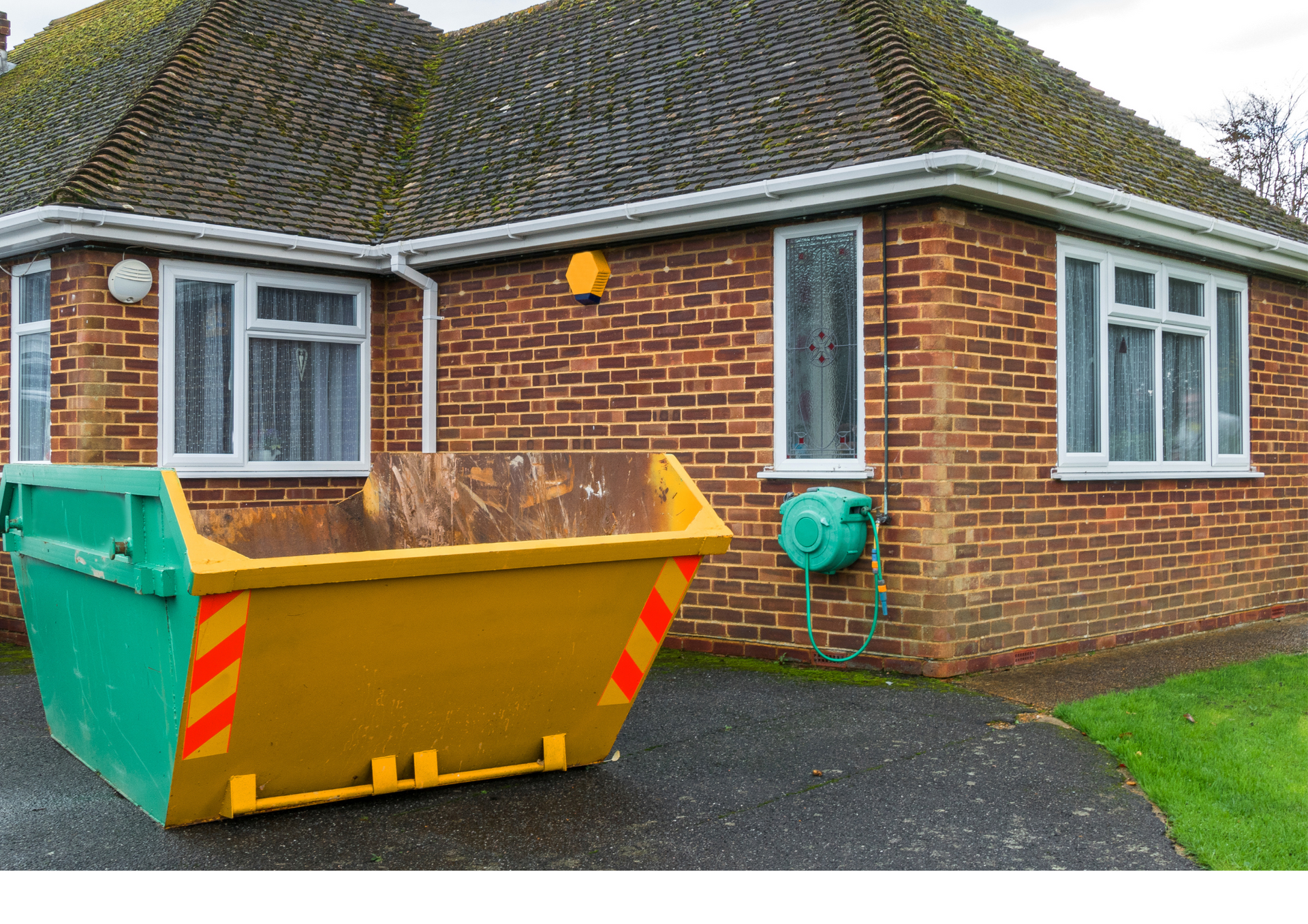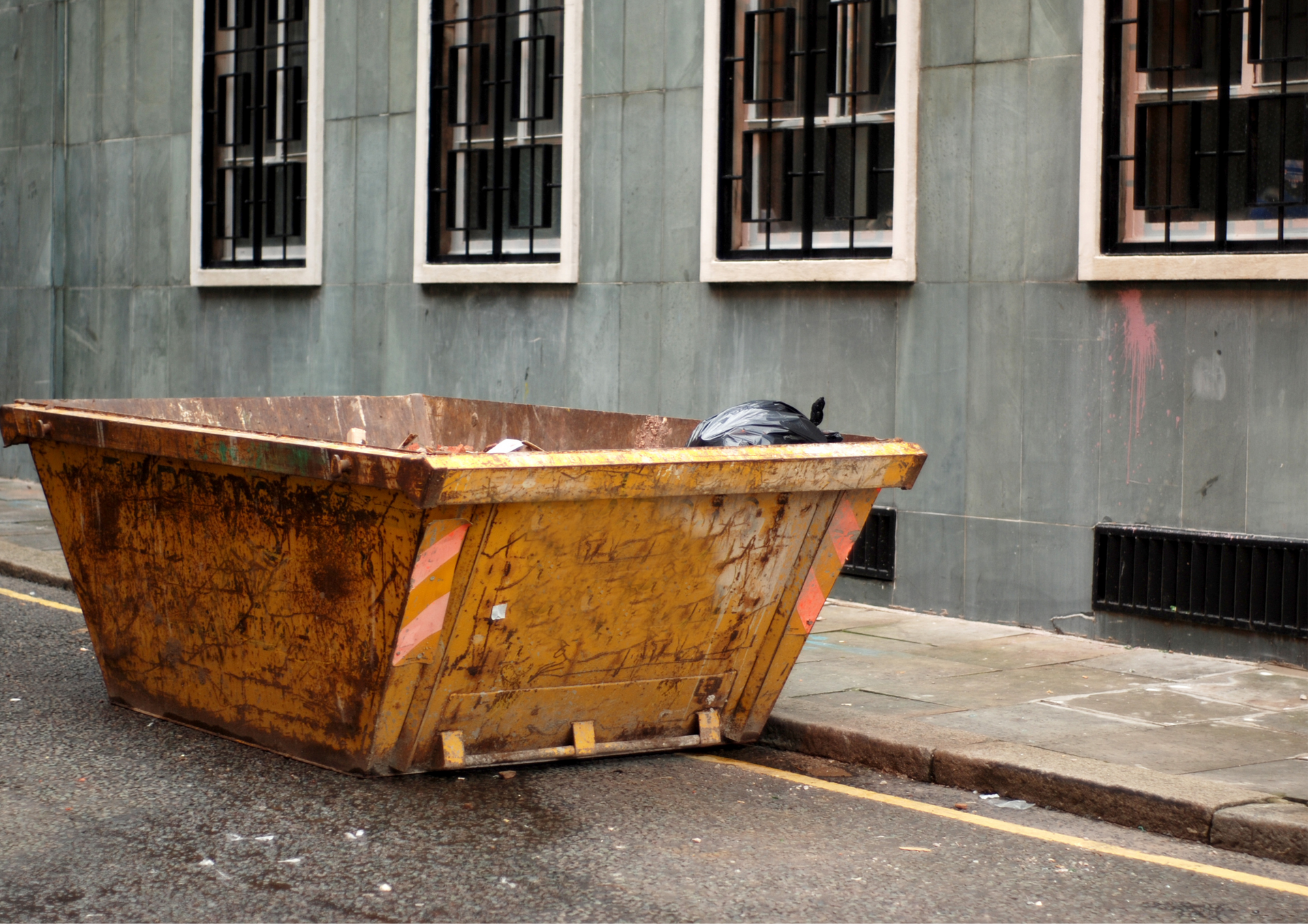

What to Know Before Booking Skip Hire Near Me for Your Home Today
Home improvement projects can generate considerable amounts of waste, particularly when they involve renovations, garden clearances, kitchen replacements or general household improvements. Managing unwanted materials efficiently helps maintain an organised working environment while allowing different stages of the project to progress without unnecessary interruptions.
For homeowners, landlords, surveyors and local authorities responsible for residential and commercial properties, finding a suitable waste removal solution requires more than simply choosing the first available provider. Understanding the type of waste being produced, the amount of space available and the expected project duration can help customers make informed decisions before arranging collection services.
When searching for skip hire near me, it is important to consider factors such as container size, delivery arrangements, hire duration and the provider's approach to responsible waste management. Taking time to understand these details helps prevent avoidable complications and ensures the chosen service is appropriate for the work being undertaken.
Properties in Brighton and surrounding areas can present different waste management requirements depending on their location, accessibility and the nature of the planned improvements. A residential property with a spacious driveway may offer straightforward placement options, while a terraced house or commercial building on a busy road may require additional planning.
Understanding the booking process before work begins allows customers to approach their projects with greater confidence. From selecting the correct container to arranging collection at a suitable time, careful preparation helps make waste removal a practical and manageable part of any improvement project.
Understanding Your Waste Removal Requirements Before Booking
Before arranging waste removal, it is useful to establish what the project involves and how much unwanted material is likely to be produced. Different home improvements generate different types of waste, and understanding these requirements helps customers select a suitable container without paying for unnecessary capacity.
A small household clearance may only involve unwanted furniture, packaging and general domestic rubbish, while a kitchen renovation can produce heavier materials such as old cabinets, tiles, flooring and broken fixtures.
Planning ahead also helps identify any materials that require separate handling. Certain waste types cannot be placed in a standard container and may need specialist disposal arrangements.The following considerations can help customers prepare before making a booking.
Assess the Type of Project
- Household clearances: Removing unwanted furniture, general household items and accumulated rubbish can create more waste than expected, particularly when clearing several rooms.
- Kitchen and bathroom renovations: Replacing cabinets, sanitary fittings, tiles and flooring often generates a mixture of bulky and heavy materials that require suitable disposal arrangements.
- Garden improvements: Landscaping, hedge cutting, fencing replacements and garden clearances may produce significant amounts of green waste, soil and other outdoor materials.
- Property refurbishments: Larger improvements involving multiple rooms can generate waste continuously, making it important to consider how materials will be stored and removed throughout the project.
Estimate the Amount of Waste
- Consider the number of rooms being cleared or renovated and identify the main materials that will need removing.
- Separate bulky items from smaller waste materials to develop a clearer understanding of the overall volume.
- Allow for unexpected waste that may become apparent once renovation or clearance work begins.
- Discuss the expected waste volume with the provider before booking to help identify an appropriate container size.
Understand the Different Container Options
Customers comparing skips near me should consider the available sizes rather than selecting equipment solely on the basis of the lowest advertised quotation.
- Smaller containers are generally suitable for modest household clearances, decorating projects and minor garden improvements.
- Medium-sized options can accommodate larger quantities of domestic waste generated during kitchen replacements, bathroom renovations and general property maintenance.
- Larger containers may be appropriate for substantial refurbishments and commercial clearances where greater waste capacity is required.
- The most suitable size depends on the type, volume and weight of the materials being removed, as well as the space available for delivery.
Identify Materials That Need Special Handling
- Check whether the provider accepts the materials generated by your project before arranging delivery.
- Items such as asbestos, electrical equipment, batteries and certain chemicals may require separate collection or specialist disposal.
- Heavy materials, including soil, bricks and concrete, can affect the suitability of larger containers because of vehicle weight restrictions.
- Avoid mixing restricted materials with general waste, as this may create additional handling requirements and collection difficulties.
Taking time to assess these considerations helps customers choose a practical waste removal solution that supports the project without introducing unnecessary complications.
Comparing Local Providers and Understanding What Is Included
Choosing a waste removal company involves more than finding an available container. Customers should understand what the service includes, how delivery and collection arrangements work and whether the provider can accommodate the specific requirements of their property.
A dependable company should provide clear information about available container sizes, acceptable waste materials and the expected hire period. This allows customers to compare services fairly and identify any additional arrangements that may be necessary before work begins.
When comparing skip hire prices near me, it is useful to request quotations based on the same container size, hire duration and waste type. Comparing equivalent services provides a clearer understanding of the overall value offered by different providers.
The advertised amount may not always reflect every aspect of the booking. Customers should establish whether delivery, collection and waste disposal are included in the quotation. They should also ask about possible additional charges for extended hire periods, restricted materials or unsuccessful collection attempts.
Understanding these details before confirming a booking helps avoid misunderstandings and allows customers to prepare a more accurate project budget.
Delivery arrangements are another important consideration. A provider should be able to explain the expected delivery window, any access requirements and the information needed to position the container appropriately.
For properties with limited outdoor space, discussing the delivery location in advance is particularly important. Narrow residential roads, shared driveways, restricted parking areas and busy commercial premises can all influence the practical arrangements required.
Customers should also consider how collection requests are managed. Some projects have a predictable completion date, while others may experience delays because of changing weather conditions, additional building work or unexpected maintenance requirements.Understanding whether the hire period can be extended and how much notice is needed for collection helps customers plan more effectively.
Communication throughout the booking process is equally valuable. Clear responses to questions about permitted materials, placement restrictions and collection arrangements allow customers to make decisions based on accurate information.
The cheapest quotation is not automatically poor value, just as a higher figure does not necessarily indicate better service. The more useful approach is to compare what each provider offers and determine whether those arrangements meet the practical requirements of the project.
By considering service quality alongside affordability, customers can choose a waste removal solution that supports their work without introducing unnecessary uncertainty.
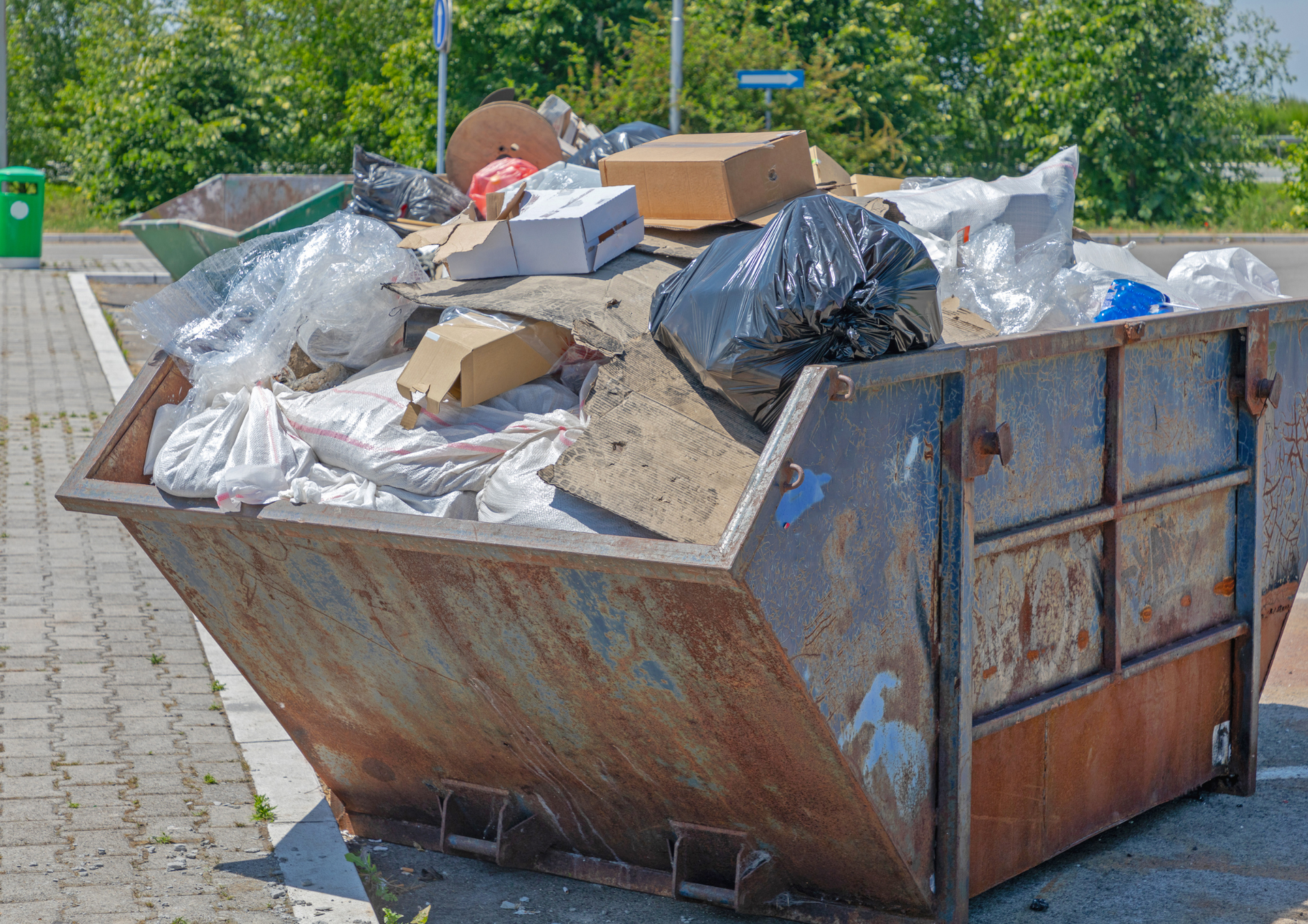
Preparing Your Property for Delivery and Safe Waste Loading
Once a suitable provider and container size have been identified, the next step is preparing the property for delivery. Careful preparation helps ensure that the container can be positioned appropriately and that waste can be loaded without creating unnecessary access difficulties.
The requirements will vary depending on the property, the surrounding environment and the type of work being undertaken. A detached house with a private driveway may have different placement considerations from a terraced property, a shared residential building or a commercial premises. The following practical steps can help customers prepare for delivery and manage waste throughout the hire period.
Check the Available Placement Space
- Identify a suitable location that allows the delivery vehicle to position the container without obstructing essential access routes.
- Consider the width of the driveway, nearby walls, parked vehicles, overhead cables and other obstacles that may affect delivery.
- Ensure the selected location provides sufficient room for loading waste without creating unnecessary difficulties for residents, visitors or workers.
- Discuss any concerns about access with the provider before confirming the booking.
Understand Roadside Placement Requirements
- If the container cannot be placed on private land, check whether permission is required for placement on a public road.
- Confirm who is responsible for arranging any necessary permit and whether additional requirements apply to the proposed location.
- Consider how roadside placement may affect pedestrians, neighbouring properties, parking arrangements and passing traffic.
- Allow sufficient time for any required approval before scheduling delivery.
Select Suitable Containers for Different Waste Volumes
Homeowners searching for skip bins near me should consider both the expected waste volume and the practical limitations of the available placement area.
- Smaller containers may be more suitable for properties with limited outdoor space or projects generating relatively modest quantities of waste.
- Medium-sized options can provide additional capacity for renovation materials, household clearances and garden improvements.
- Larger containers may be appropriate for substantial projects, provided the site offers suitable access and the expected waste weight remains within permitted limits.
- Confirm the dimensions and loading restrictions before booking rather than relying entirely on the advertised capacity.
Load Waste Carefully
- Place heavier materials towards the bottom where appropriate, distributing weight evenly throughout the container.
- Break down suitable bulky items to make better use of the available space without exceeding the permitted loading level.
- Avoid placing materials above the marked fill line, as overfilled containers may not be suitable for safe transportation.
- Keep prohibited materials separate and arrange appropriate disposal through the relevant collection service.
Plan for Collection
- Consider when the project is likely to produce its final waste materials and arrange collection accordingly.
- Keep the surrounding area accessible so the collection vehicle can reach the container without unnecessary obstruction.
- Confirm that the container is not overloaded and that its contents comply with the provider's accepted waste requirements.
- Contact the provider if the project schedule changes or if additional time is needed before collection.
Preparing the property and following suitable loading practices can help reduce avoidable delays while maintaining an organised working environment throughout the project.
Choosing a Suitable Service for Different Property Improvement Projects
Different improvement projects require different approaches to waste management. Understanding the expected waste volume, project duration and available working space helps customers identify arrangements that support the work from beginning to end.
For smaller household projects, waste removal may only be required for a short period. Clearing a loft, replacing bedroom furniture or carrying out minor decorating work can generate unwanted materials that need to be removed before the space can be used again.
In these situations, choosing an appropriately sized container helps avoid occupying unnecessary driveway space while providing sufficient capacity for the materials being discarded.
Larger domestic renovations often require more detailed planning. Kitchen replacements, bathroom refurbishments and home extensions can produce a combination of timber, plasterboard, tiles, packaging and other building materials.
Because waste may accumulate at different stages of the work, customers should consider whether a single container will provide sufficient capacity or whether additional collections may be required.
Garden improvements present different considerations. Landscaping work can generate substantial quantities of soil, turf, branches and other outdoor materials. The weight of these materials can influence which container sizes are suitable, making it important to discuss the expected contents before booking.
Property managers and landlords may also need to arrange waste removal between tenancies. Clearing unwanted furniture, damaged fixtures and accumulated household rubbish can help prepare a property for maintenance, refurbishment or new occupants.
When researching skip companies near me, customers responsible for multiple properties should consider whether a provider can accommodate different project requirements, access arrangements and collection schedules.
For surveyors and local authorities, waste management may form part of wider property maintenance programmes. These projects can involve several buildings, different contractors and varying completion dates, making clear communication and organised scheduling particularly important.
Commercial premises may also require waste removal during office refurbishments, retail improvements or general property maintenance. In these environments, deliveries and collections should be planned to minimise disruption to employees, customers and neighbouring businesses.
The location of the property can influence the most suitable arrangements. Busy town centres, narrow residential streets and shared access areas may require additional coordination compared with properties offering spacious private parking.
In Brighton, for example, customers may need to consider the practical challenges associated with terraced housing, limited parking and busy urban roads. Similar considerations can apply to residential and commercial properties throughout the UK.
Regardless of the project location, providing accurate information about the property, expected waste and required timescale helps the provider recommend an appropriate solution.
By matching the service to the actual requirements of the work, customers can maintain organised spaces, manage waste efficiently and avoid unnecessary complications during their improvement projects.
Arranging suitable waste removal is an important part of preparing for home improvements, property clearances and commercial refurbishment projects. Understanding the expected waste volume, selecting an appropriate container and preparing the property for delivery can help make the entire process more manageable.
For homeowners, landlords, surveyors and local authorities, careful planning provides a practical way to reduce unnecessary disruption while maintaining organised working environments. Considering factors such as access restrictions, permitted materials, hire duration and collection arrangements also helps ensure that the chosen service meets the specific requirements of the project.
Comparing providers should involve more than examining the initial quotation. Clear communication, suitable equipment, dependable scheduling and responsible waste handling all contribute to the overall experience. Customers searching for skip hire near me should consider these factors when choosing a provider that can accommodate their project's requirements.
Whether improving a single room, clearing an entire property or coordinating maintenance across several buildings, taking time to understand the available options allows customers to make informed decisions.
By preparing thoroughly and working with a provider that understands the practical requirements of the property, waste removal can become a straightforward part of the project rather than an additional source of inconvenience.
Skip Hire Brighton provides practical waste management solutions for homeowners, landlords, surveyors, local authorities and those responsible for residential and commercial properties throughout Brighton and the surrounding areas.
We understand that arranging skip hire near me involves more than selecting a suitable container. Customers also need clear information about delivery arrangements, acceptable waste materials, collection procedures and the practical requirements of their property.
Our approach focuses on straightforward communication and helping customers identify suitable solutions based on the type of work being undertaken. Whether you are clearing unwanted household items, preparing a property for refurbishment or managing waste from a larger improvement project, we aim to make the booking process as simple as possible.
We recognise that different properties present different challenges. Limited driveway space, narrow access routes and changing project schedules can all influence the arrangements required. By discussing these considerations before delivery, we can help customers understand the available options and prepare appropriately.
If you are planning a home improvement, property clearance or commercial refurbishment, contact us with your project details, expected waste volume and preferred delivery location. We can discuss your requirements and help you arrange a suitable waste removal solution.
Check out our latest X update on finding reliable
skip hire near me services!
You might also like