

Understanding Cheap Skip Hire Costs Across Different Waste Projects
Waste removal can represent an important part of the planning for a household clearance, renovation, garden project or commercial refurbishment. The amount customers pay can vary considerably depending on the size of the container, the volume and type of material being removed, the length of the hire period and the practical requirements of the property. Understanding these factors makes it easier to compare options without concentrating solely on the lowest advertised figure.
Choosing cheap skip hire should involve finding suitable value for the particular project rather than automatically selecting the least expensive option available. A small container might be perfectly adequate for a modest domestic clearance, while larger renovation or commercial work can require considerably greater capacity. Selecting something unsuitable simply because it costs less initially may make the project harder to organise.
Homeowners, landlords, surveyors and local authorities can all have different waste management requirements. Residential properties may produce household belongings, garden materials or renovation debris, whereas commercial premises can generate larger quantities during refurbishment and clearance work.
Brighton presents a particularly varied range of properties, including terraced homes, flats, larger residential buildings, shops and commercial premises. Access can also differ considerably from one location to another. Similar circumstances can occur throughout the UK, making it important to assess each project individually.
Looking at waste volume, available space, access and project duration together provides a clearer understanding of what represents good value. Careful preparation can also help customers avoid paying for unnecessary capacity or discovering halfway through the work that their chosen option is too small.
Understanding What Influences the Amount You Pay
Several practical factors can influence waste removal charges, and understanding them makes comparisons more meaningful. Customers looking for the cheapest skip hire near me may find that quotations vary because providers are accounting for different container capacities, waste types, hire periods and delivery requirements rather than simply charging different amounts for an identical service.
Container Capacity
- Smaller containers generally suit limited household and DIY projects where waste volumes can be estimated reasonably accurately.
- Medium capacities can provide additional flexibility for renovations, larger clearances and garden projects.
- Larger containers may be appropriate for substantial property work where significant quantities are expected.
- Choosing more capacity than necessary can leave customers paying for unused space.
Waste Type
- Household belongings, garden materials and renovation debris can require different approaches to handling.
- Heavy materials should be considered separately from lighter but bulky waste.
- Customers should establish what materials are suitable before loading begins.
- Knowing what the project will produce makes selecting an appropriate solution easier.
Hire Duration
- Short household projects may require equipment for only a limited period.
- Renovations and commercial work can continue for longer and may need waste capacity throughout several stages.
- Estimating the project timetable beforehand can help avoid unnecessary extensions.
- Collection should ideally be coordinated with the point at which the container is no longer required.
Delivery and Access
- Residential streets can have restricted access, parked vehicles or limited manoeuvring space.
- Commercial properties may need deliveries coordinated around staff, customers and contractors.
- Identifying a suitable position before delivery helps prevent delays.
- Customers should mention gates, narrow entrances or other relevant restrictions when arranging their booking.
Understanding these categories allows customers to look beyond the initial quotation. The most economical solution is generally one that matches the actual project closely enough to provide sufficient capacity without creating avoidable expense.
Comparing Value Across Different Types of Waste Projects
Different projects produce waste in very different ways. A household decluttering project might generate relatively lightweight belongings over several days, whereas a renovation can create substantial quantities within a much shorter period. Looking at the nature of the work therefore provides a better basis for judging value.
Domestic clearances are among the more straightforward examples. Clearing a spare room, garage or loft can involve boxes, old furniture and general household belongings. However, the amount can still be difficult to estimate until everything has been brought together. Walking through the property and identifying larger objects beforehand can provide a more realistic idea of the capacity required.
Whole-house clearances can be considerably more demanding. Furniture, carpets, stored belongings and miscellaneous household materials can quickly accumulate. Landlords preparing properties between occupants may also need to account for materials generated during repairs or redecoration immediately afterwards.
Garden projects present different considerations. Branches, hedge cuttings, old fencing and other outdoor materials can be bulky even when they are relatively lightweight. Landscaping work can also generate substantial quantities within a short period, particularly when existing garden features are being removed.
Renovation work can involve old kitchen units, bathroom fittings, flooring, timber and other building materials. Waste may be produced rapidly during initial stripping-out before slowing during later stages. Understanding this pattern can help customers coordinate delivery and collection with the points at which capacity will be most useful.
Commercial clearances can vary even more widely. Offices may contain furniture, shelving and general contents, while retail refurbishments can involve displays, fittings and packaging. Larger projects may need to be coordinated around contractors and normal business activities.
Customers searching for best price skips should therefore compare the capacity and service offered against the actual needs of their project. A lower quotation may represent excellent value when the option is suitable, but comparing price without considering capacity, duration and practical arrangements can give an incomplete picture.
Accessibility also deserves attention when comparing projects. A container that can be positioned conveniently on one property may require more planning at another. Brighton includes areas where residential streets and property layouts can present different access conditions, while similar restrictions occur in towns and cities across Britain.
The most useful comparison is therefore based on like-for-like requirements. Customers should establish what they need first and then compare suitable options rather than allowing the advertised amount alone to determine their choice.
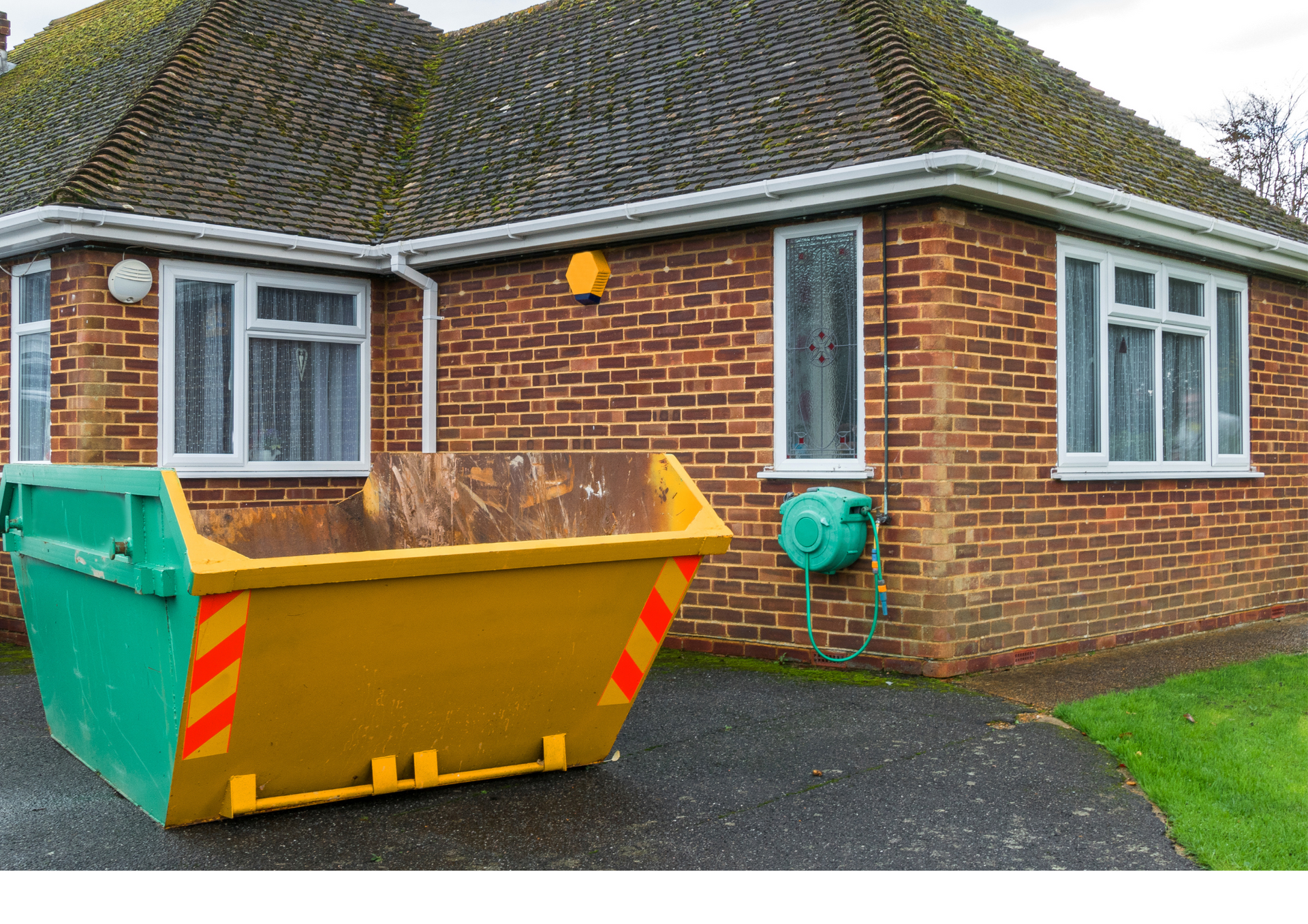
Choosing the Right Capacity Without Paying for Unused Space
Selecting suitable capacity is one of the most effective ways to manage cheap skip hire costs. The aim is to provide enough room for the expected material while avoiding an unnecessarily large container that leaves significant unused space at the end of the project.
Small Household Jobs
- Decluttering a room, clearing a small garage or completing minor DIY work may only produce modest waste volumes.
- Customers should still consider whether furniture or other bulky objects will occupy space quickly.
- Estimating everything intended for removal before booking can improve accuracy.
- Smaller options can be particularly practical where placement space is restricted.
Renovations
- Kitchens and bathrooms can generate more material than their room size initially suggests.
- Old units, fixtures, flooring and other items can occupy considerable capacity once removed.
- Larger refurbishment projects should account for waste produced across several stages.
- Considering the whole project helps reduce the risk of underestimating requirements.
Garden Clearances
- Branches, shrubs and old fencing can be awkwardly shaped and take up substantial room.
- Breaking down suitable materials can help make better use of the available capacity.
- Customers should consider whether landscaping work will produce additional materials later.
- Planning loading arrangements before work starts can improve efficiency.
Commercial Projects
- Office clearances can involve desks, chairs, shelving and stored materials.
- Retail projects may generate fittings, displays and packaging at different stages.
- Larger premises should consider how waste removal will fit around contractors and building users.
- Coordinating the container with the project schedule can help avoid unnecessary standing time.
Capacity should be considered together with weight, waste type and available positioning space. Simply selecting the largest option may seem convenient, but it does not necessarily provide the best value for a smaller project.
Likewise, choosing the smallest option purely because it carries a lower initial charge can be inefficient if the project clearly requires more capacity. Realistic estimation provides a better balance between affordability and practicality.
Planning Ahead to Keep Waste Removal Economical
Good planning can help customers control expenditure without compromising the practical requirements of their project. Before making a booking, it is useful to walk through the property, identify everything likely to be removed and consider how waste generation will change as work progresses.
One of the most common difficulties is underestimating bulky materials. Furniture, cabinets, timber and garden waste may appear manageable when still in place but can occupy considerable room once dismantled and collected together. Assessing these items individually provides a clearer picture of overall requirements.
Timing also matters. Arranging delivery substantially before work begins may mean equipment occupies valuable space while remaining unused. Leaving the booking until waste has already accumulated, however, can make the property harder to organise. Coordinating delivery with the point at which significant waste generation begins usually creates a smoother process.
Customers considering skip cheap hire can also improve value by organising suitable materials carefully rather than loading without a plan. Breaking down appropriate bulky objects and avoiding large empty gaps can help make more effective use of the capacity available.
Clear access should be prepared before delivery. Driveways, entrances and proposed positioning areas should be kept free of unnecessary obstacles wherever possible. This is particularly relevant at properties where road space is limited or several contractors need access simultaneously.
Landlords coordinating work between tenancies can benefit from considering clearance and maintenance together. If decorating or refurbishment will immediately follow the removal of belongings, the expected waste from both stages should be taken into account during planning.
Surveyors involved in property maintenance can similarly consider how waste removal fits around inspections and contractors. Local authorities responsible for larger buildings or several sites may benefit from coordinating disposal arrangements with the wider programme rather than treating each collection as an isolated task.
Commercial properties require similar forward planning. Businesses may need to maintain customer access or continue operating while clearance work takes place. Arranging delivery, loading and collection around quieter periods can reduce disruption.
Another useful approach is to avoid making decisions based solely on assumptions about container names or dimensions. Actual requirements depend on what is being removed, so discussing the project clearly can help identify an option that provides a sensible balance between capacity and expenditure.
Ultimately, economical waste removal comes from matching the service closely to the job. Customers who understand their waste volume, project duration and access conditions are better positioned to make informed choices and avoid unnecessary changes once work is underway.
Waste removal costs can differ considerably between projects because no two jobs have exactly the same requirements. A modest household clearance may involve relatively little material, while a full renovation, garden transformation or commercial refurbishment can produce much greater volumes over a longer period.
Container capacity is an important consideration, but it should not be assessed in isolation. Waste type, weight, project duration, accessibility and the timing of delivery and collection can all influence which arrangement is most practical.
Homeowners can improve planning by identifying unwanted items before work starts and considering how much room larger objects are likely to occupy. Landlords can account for both clearance and subsequent maintenance, while surveyors and local authorities may need to coordinate waste management with wider programmes of work.
Commercial properties can present additional challenges where contractors, employees or customers still require access. Careful scheduling can help waste removal support the project without unnecessarily interfering with normal activity.
The key to achieving good value is therefore understanding the project before choosing a service. Realistic estimation, sensible capacity selection and organised loading can reduce avoidable expense while keeping working areas manageable.
Taking a considered approach allows customers to focus on the complete value of the arrangement rather than simply choosing the lowest figure available. When capacity, timing and practical requirements are properly matched, waste removal can become a straightforward and efficient part of projects of almost any scale.
Skip Hire Brighton provides practical waste removal support for homeowners, landlords, surveyors, local authorities and those responsible for residential and commercial properties. We understand that each project can produce different quantities and types of material, which is why our approach considers the individual circumstances of the work.
Whether you are clearing a home, renovating a property, managing garden waste or coordinating a commercial project, we aim to provide straightforward guidance when selecting an appropriate option. We consider factors such as expected volume, available space, access and project duration rather than assuming the same arrangement will suit everyone.
Our focus is on making cheap skip hire straightforward to organise while maintaining dependable delivery, collection and customer support. By helping customers assess their requirements beforehand, we aim to reduce unnecessary complications once work begins.
From smaller residential jobs to larger property projects, practical planning can make waste management considerably easier. Our goal is to provide a dependable local service that helps customers choose suitable capacity and keep their projects organised from the initial booking through to final collection.
Check out our latest X update exploring
cheap skip hire costs across different waste projects and the key factors that can affect pricing.
You might also like