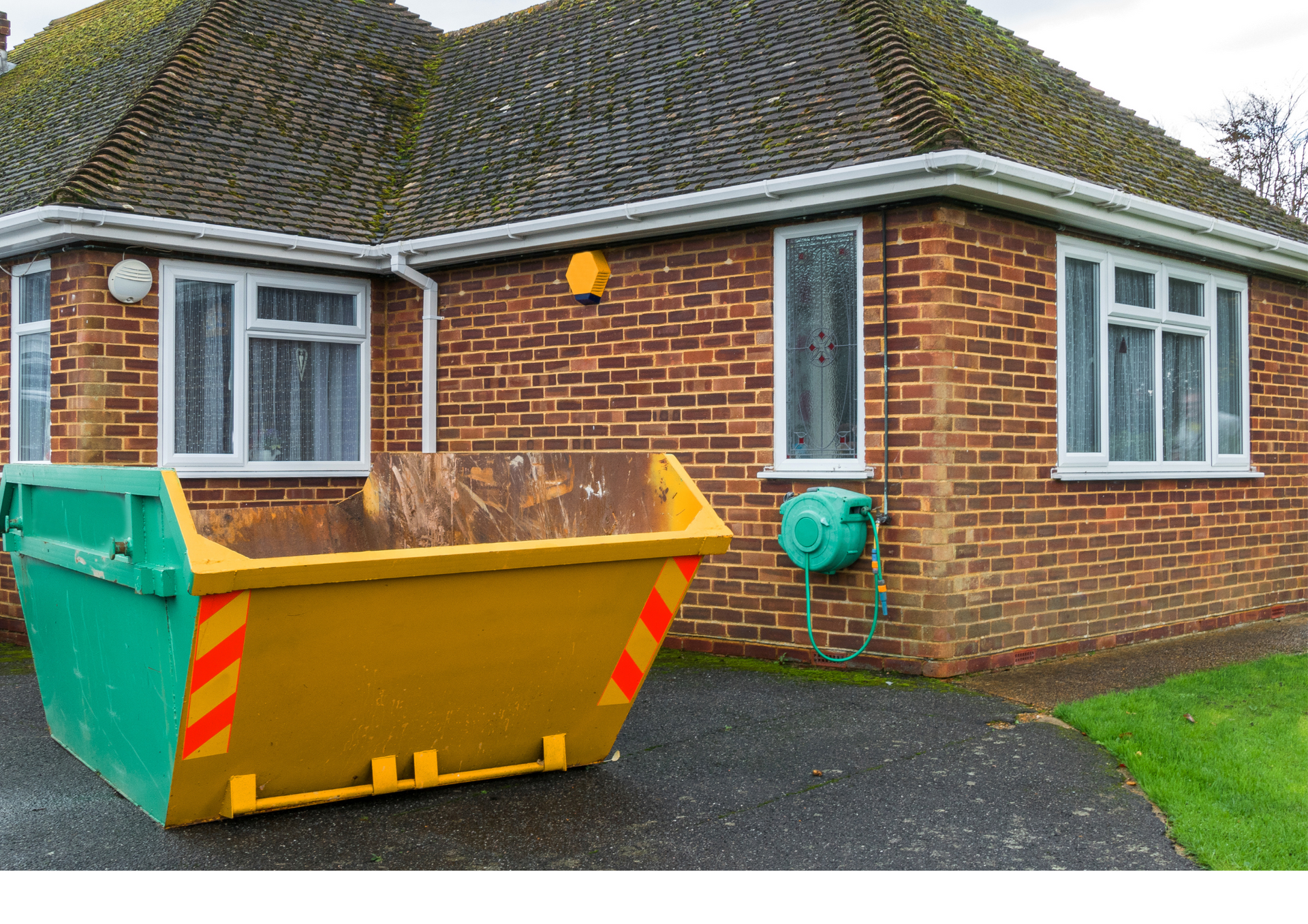

Managing Garden and Household Waste with Local Skip Hire Services
Managing waste from a home, rental property, garden or commercial premises can become challenging when ordinary household bins do not provide enough capacity. Renovations, seasonal clearances, landscaping projects and property maintenance can all generate significant amounts of unwanted material within a relatively short period. Arranging local skip hire provides a practical way to keep this waste contained while helping projects remain tidy and organised from beginning to end.
For homeowners, a suitable waste solution can make jobs such as clearing a loft, replacing an old kitchen or tidying an overgrown garden much easier to manage. Landlords may require additional capacity between tenancies, while surveyors, property managers and local authorities can encounter waste during maintenance or improvement programmes. Commercial properties can have similar requirements when completing refurbishments, clearances or general improvement work.
Planning is particularly important in Brighton, where properties range from houses with accessible driveways to terraces, flats and commercial premises where available space may be more restricted. Thinking about the type of waste, anticipated quantity, access and project duration before booking can prevent unnecessary complications. The same principles apply elsewhere: the better the waste requirements are understood at the beginning, the easier it becomes to select a suitable solution and maintain an orderly project.
Planning Garden and Household Waste Removal
Garden and household projects can produce very different types and quantities of waste. Identifying what is likely to be removed before work starts makes it easier to select suitable capacity and organise the site. People searching for local skips near me should consider the practical requirements of their project rather than choosing solely according to container size or availability.
Garden Clearances
- Seasonal garden maintenance can produce branches, hedge cuttings, leaves, plants and other bulky material that quickly becomes difficult to manage with ordinary household waste arrangements.
- Larger landscaping projects may involve removing old fencing, timber, soil or materials from previous garden features, making advance planning particularly useful.
- Keeping garden waste contained prevents piles from spreading across lawns, paths and driveways while work continues.
- Separating materials where appropriate can also support more efficient handling once the waste leaves the property.
Household Clearances
- Loft, garage and spare-room clearances often reveal more unwanted possessions than expected, particularly when areas have been used for storage over many years.
- Sorting items before loading makes it easier to identify belongings that can be retained, reused or dealt with separately.
- Working through one area at a time can prevent a clearance from becoming unnecessarily disruptive.
- Customers should estimate the overall amount of material before choosing capacity rather than basing the decision on the first few items removed.
Renovation Waste
- Kitchens, bathrooms and general refurbishment projects can generate packaging, old fixtures, timber and other building-related materials.
- Waste should be considered as part of the renovation plan rather than left until the final stage of the work.
- Keeping removed materials contained can provide tradespeople with clearer working areas and better access around the property.
- The anticipated type of material should be discussed when arranging the service so customers understand what can be placed inside the container.
Property and Commercial Maintenance
- Landlords may need waste removal after tenants leave, during refurbishment or when preparing a property for new occupants.
- Commercial premises can generate substantial material during office, shop or workspace improvements.
- Surveyors and those overseeing multiple properties benefit from planning waste arrangements alongside other project requirements.
- Local authorities and property managers may also need organised disposal arrangements when coordinating maintenance across different sites.
Choosing Suitable Capacity Without Creating Unnecessary Waste
Selecting an appropriate container is one of the most important parts of planning waste removal. A container that is too small can fill before a project has finished, while choosing substantially more capacity than required may be unnecessary. The aim should be to make a realistic estimate based on the scale of the work, the materials being removed and how much waste is likely to accumulate.
For smaller household jobs, compact options may provide sufficient capacity without occupying excessive space. Decluttering a room, clearing a small shed or completing minor decorating work may generate relatively manageable quantities. Larger home improvements can require considerably more space, particularly when old fittings, cabinets, flooring or bulky household items are being removed.
Garden projects should also be assessed carefully. A simple seasonal tidy-up is very different from removing mature shrubs, dismantling a shed or redesigning an entire outdoor area. Green material can be surprisingly bulky even when it is not particularly heavy, so estimating volume rather than simply looking at the size of the garden can produce a more realistic assessment.
Customers considering local skips should also think about how efficiently the available space will be used. Breaking down suitable bulky items, placing flatter materials carefully and avoiding large empty gaps can help make better use of capacity. However, containers should never be overloaded or filled beyond permitted levels, as this can create difficulties when they are collected and transported.
For renovation and building work, the weight and nature of the materials require particular consideration. Heavy materials can influence which option is appropriate even when the overall volume appears modest. Discussing the project in advance allows the provider to understand what is being removed and offer practical guidance.
Available placement space matters as well. Brighton includes areas with narrow streets, terraced properties and limited off-road space, so customers should consider access before arranging delivery. Where private land is available, a driveway or suitable area within the property boundary may provide a convenient position. If placement on a public road is required, relevant arrangements may need to be considered beforehand.
Good planning therefore involves more than simply estimating how much rubbish is visible. Considering volume, material type, access and duration together gives a clearer picture of what the project genuinely requires.

Keeping Waste Removal Organised During the Project
Once work begins, an organised approach can make waste management considerably easier. Using local skip hire effectively means considering how materials will move from the working area to the container, how the site will remain accessible and how waste will be handled throughout each stage of the project.
Create a Clear Loading Route
- Position the container, where practical, so waste can be moved to it without repeatedly crossing busy working areas.
- Keep paths, doorways and access points free from loose materials that could make movement unnecessarily difficult.
- For larger properties or commercial sites, consider where waste will originate before deciding on the most convenient placement area.
- Avoid leaving materials scattered around the property while waiting to load them.
Load Materials Carefully
- Place suitable larger or flatter items carefully so available capacity is used efficiently.
- Avoid allowing material to extend beyond acceptable loading levels.
- Keep any items that require separate disposal out of the container.
- Make sure everyone involved in the project understands where waste should be placed.
Maintain an Orderly Working Area
- Remove waste progressively rather than waiting until the end of a renovation or clearance.
- Keeping floors, gardens and access routes clear gives tradespeople and occupants more usable working space.
- Periodically review how quickly the container is filling, particularly during projects where the final waste volume is difficult to predict.
- Keep children, visitors and other people who are not involved in the work away from active loading areas.
Prepare for Collection
- Make sure access remains available when the container is due to be removed.
- Avoid parking vehicles or storing materials where they could prevent the collection vehicle from reaching the site.
- Check the surrounding area for loose waste before collection.
- If project timings change, communicate this as early as possible so alternative arrangements can be discussed.
Comparing Local Providers and Planning the Booking
Choosing a suitable provider should involve more than looking at the first quotation available. Service quality, communication, availability and clear booking information can all influence how straightforward the experience is.
When comparing local skip companies, customers should establish what is included in the quoted service. Understanding delivery arrangements, expected hire duration, collection procedures and any relevant restrictions makes it easier to compare options on a like-for-like basis. A lower quotation may suit one project perfectly, while another project may benefit from greater flexibility or different capacity. The important point is to understand what is being provided before making the booking.
Communication is particularly valuable when customers are unsure about the amount of waste they will produce. An experienced provider should be able to discuss the nature of the project and explain the practical options without making the process unnecessarily complicated. Clear guidance is useful for first-time customers as well as landlords, surveyors and organisations managing recurring property work.
Delivery access should be discussed before the booking is finalised. Customers can help by explaining whether the property has a driveway, restricted entrance, narrow approach or other feature that could affect placement. In built-up parts of Brighton, thinking about access beforehand can prevent avoidable complications on delivery day.
The expected project schedule should also be considered. Some clearances may be completed over a weekend, while renovations or commercial work can continue for considerably longer. Knowing approximately how long the container will be required allows arrangements to be planned around the actual work rather than relying on assumptions.
Customers should also ask about the types of material accepted. Different waste categories may need different handling, and not every item should be placed together. Clarifying this before work starts helps everyone involved understand how materials should be managed.
Finally, consider how collection will fit into the project. Some customers know the completion date from the outset, while others need greater flexibility. Maintaining communication as work progresses allows collection to be coordinated more effectively and reduces the likelihood of the container remaining on site longer than necessary.
Managing household and garden waste becomes considerably easier when disposal is treated as part of the project rather than an afterthought. Whether clearing a garden, refurbishing a home, preparing a rental property, improving commercial premises or coordinating maintenance work, understanding the likely quantity and type of waste provides a strong starting point.
Choosing appropriate capacity helps prevent avoidable interruptions, while careful placement and organised loading can make better use of the available space. Access conditions should also be considered early, particularly at properties where driveways, narrow roads or limited working areas may affect delivery and collection.
These principles apply in Brighton as well as other locations. Every property and project will have different requirements, but thoughtful preparation helps make waste removal simpler, more organised and easier to manage. By planning ahead rather than waiting for unwanted material to accumulate, homeowners and property professionals can maintain clearer working environments throughout the job.
Skip Hire Brighton provides practical waste removal solutions for homeowners, landlords, surveyors, local authorities and those responsible for residential and commercial properties. We understand that requirements can vary considerably, from straightforward household clearances and garden projects to property renovations and larger commercial work.
Our approach focuses on clear communication from the initial enquiry through to collection. When arranging local skip hire, we help customers consider suitable capacity, access conditions, expected project duration and the types of material they intend to remove. This makes it easier to choose an appropriate solution without making the booking process unnecessarily complicated.
We also recognise the importance of dependable arrangements. Organised delivery and collection help customers coordinate waste removal alongside other work taking place at the property. By combining practical guidance with a straightforward local service, our aim is to help customers manage unwanted material efficiently while keeping their projects tidy, organised and easier to complete.
Check out our latest X update on how
local skip hire
can help manage garden and household waste efficiently!
You might also like