
Skip Hire for Roofing Materials and Construction Debris Removal
Roofing projects can generate a significant amount of waste, ranging from broken tiles and damaged felt to timber, insulation, and packaging materials. Whether work involves repairing a small section of a roof or undertaking a complete replacement, managing waste effectively is an important part of maintaining a safe, organised, and efficient working environment.
Property owners, contractors, landlords, surveyors, and local authorities often need practical solutions that allow roofing materials and construction debris to be removed promptly while keeping projects on schedule. A reliable skip hire service provides an effective way to contain and dispose of roofing waste throughout the duration of a project.
Instead of allowing debris to accumulate around a property, waste can be placed directly into a suitable container, reducing hazards and improving accessibility around the site. This approach supports better organisation and helps maintain a cleaner environment for workers, occupants, and visitors.
Roofing waste can vary considerably depending on the age of the property, the materials being removed, and the scope of the work involved. Traditional clay tiles, concrete roof coverings, timber battens, lead flashing, insulation products, and general construction debris all require careful handling.
Planning waste management arrangements before work begins helps avoid unnecessary disruption and ensures that debris can be removed efficiently as the project progresses.
Understanding Roofing Waste and Construction Debris
Roofing projects produce a diverse range of waste materials. Some jobs generate relatively small amounts of debris, while larger refurbishment or redevelopment projects can result in substantial volumes that require careful planning. Understanding the likely waste output allows property owners and contractors to select a suitable disposal solution from the outset.
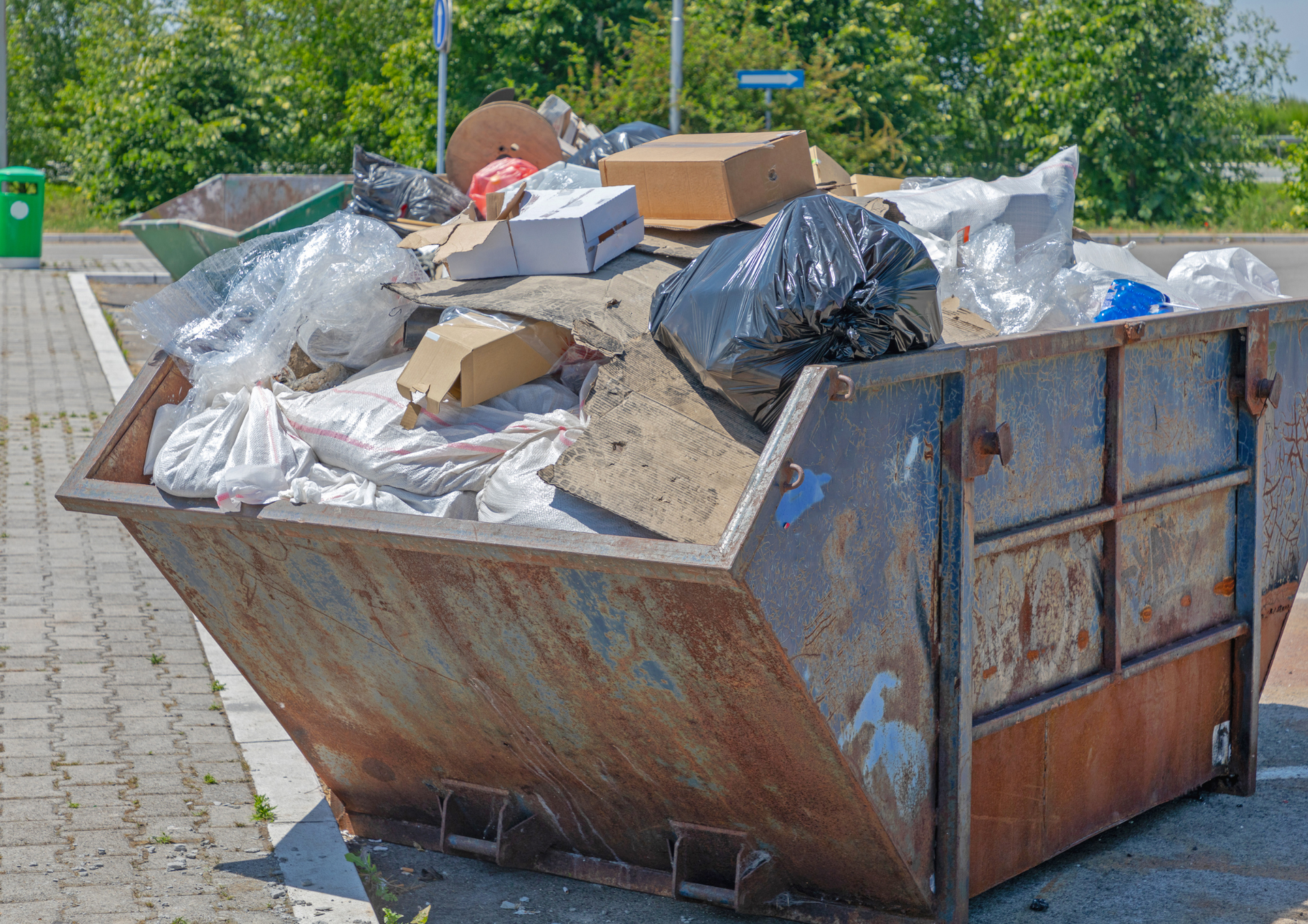
Old roof tiles and slates are among the most common materials removed during roofing work. These materials are often heavy, meaning waste volumes can accumulate quickly. This is why many property owners and contractors arrange skip hire to manage debris efficiently throughout the project. Timber battens, roof membranes, insulation materials, guttering components, and damaged structural elements may also contribute to overall waste quantities.
Construction debris associated with roofing work frequently extends beyond the roof itself. Scaffolding packaging, protective coverings, broken bricks, mortar fragments, and renovation waste from associated building works may all require disposal. Having a dedicated waste container available helps prevent materials from becoming scattered around the property.
Effective waste management also contributes to improved site safety. Roofing projects naturally involve working at height, and maintaining a clear working area helps reduce potential hazards. Keeping waste contained allows contractors to focus on completing work efficiently while maintaining professional standards throughout the project.
Choosing the Right Skip Size for Roofing Projects
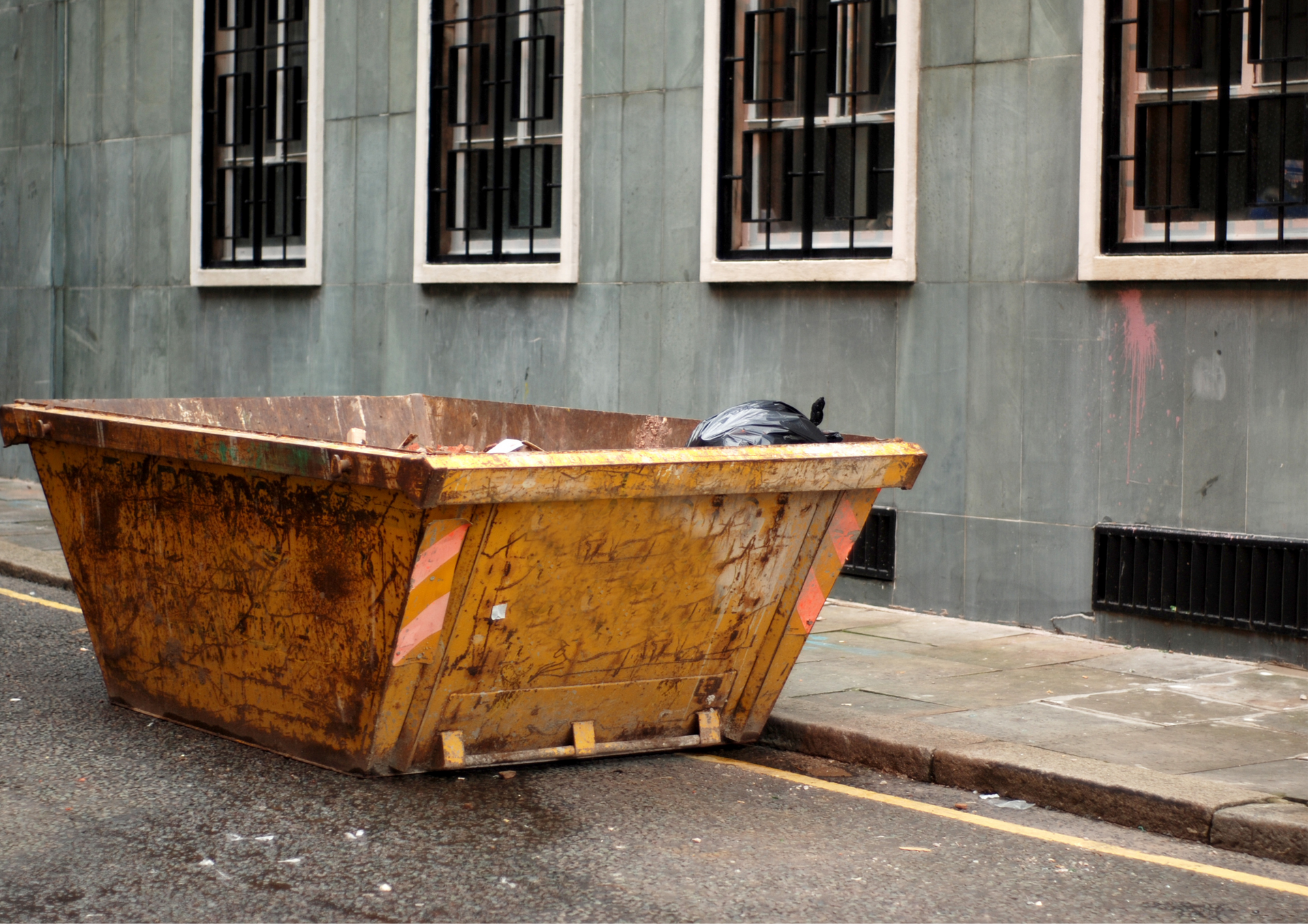
Selecting the right skip size is an important part of planning any roofing or construction project. Waste volumes can vary significantly depending on the scale of the work, the materials being removed, and the duration of the project. Choosing a suitable container helps maintain an organised site, reduces unnecessary interruptions, and ensures debris can be managed efficiently throughout the works.
2 Yard Skip
- Suitable for very small roofing repairs and maintenance work.
- Ideal for limited quantities of broken tiles, felt, timber offcuts, and general debris.
- A practical choice where access is restricted or available space is limited.
- Often used for minor domestic repair projects with low waste volumes.
4 Yard Skip
- Well suited to small renovation projects and partial roof replacements.
- Provides additional capacity for roofing waste alongside packaging materials and timber.
- Helps maintain site organisation during moderate repair work.
- Commonly selected for smaller residential improvement projects.
6 Yard Skip
- Suitable for medium-sized roofing projects and larger repair programmes.
- Can accommodate significant quantities of tiles, slates, timber, and construction debris.
- Offers greater capacity while remaining practical for many residential properties.
- Helps reduce the need for frequent waste collections during ongoing work.
8 Yard Skip
- Often chosen for larger roofing projects and substantial refurbishment works.
- Suitable for higher volumes of construction debris generated over longer project periods.
- Supports efficient waste management on commercial and larger residential sites.
- Helps minimise disruptions by providing ample space for continuous waste disposal.
Accurately estimating the amount of waste likely to be generated before work begins helps ensure the most suitable option is selected. Careful planning can improve efficiency, maintain site safety, and support the smooth progression of roofing and construction projects.
Benefits of Using Professional Waste Management During Roofing Work
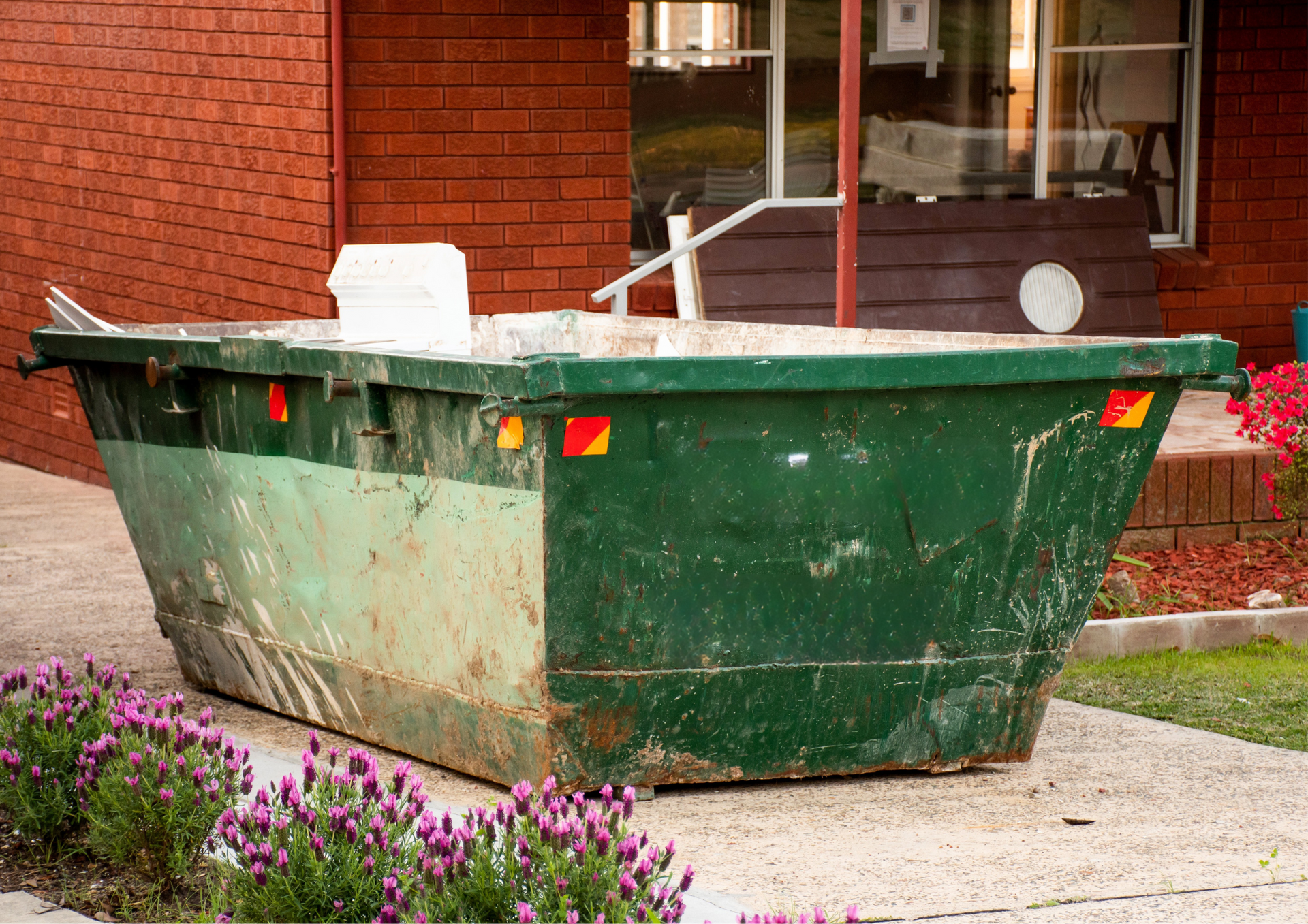
Effective waste management can make a significant difference to the efficiency, safety, and organisation of roofing projects. Having a dedicated container on-site allows materials to be removed promptly while helping contractors maintain a cleaner and more productive working environment throughout the project.
Improved Convenience
- Provides a designated location for roofing materials and construction debris.
- Reduces the need to create temporary waste storage areas around the property.
- Allows contractors to dispose of materials quickly as work progresses.
- Helps maintain a more organised and efficient work site.
Enhanced Site Safety
- Keeps potentially hazardous materials contained in one location.
- Reduces risks associated with broken tiles, exposed nails, and timber offcuts.
- Helps minimise trip hazards around the property.
- Contributes to safer working conditions for contractors and visitors.
Environmentally Responsible Waste Handling
- Supports the proper disposal of roofing and construction materials.
- Helps ensure waste is managed using recognised disposal practices.
- Reduces the likelihood of debris being left scattered around the site.
- Encourages a more structured approach to waste management.
Increased Project Efficiency
- Eliminates the need for frequent trips to waste disposal facilities.
- Helps contractors focus on completing roofing work rather than managing waste transport.
- Reduces interruptions that may affect project schedules.
- Supports smoother day-to-day operations throughout the works.
Improved Property Appearance
- Helps keep residential and commercial sites tidy during construction activities.
- Prevents waste from accumulating around entrances, pathways, and work areas.
- Reduces disruption for occupants, neighbours, and visitors.
- Maintains a more professional appearance throughout the project.
Better Project Oversight
- Supports effective planning and site management.
- Helps landlords, surveyors, local authorities, and property managers monitor progress more easily.
- Encourages a structured approach to construction and refurbishment work.
- Contributes to a professional and organised project from start to finish.
Planning Waste Disposal for Residential and Commercial Roofing Projects
Successful roofing projects often begin with careful preparation. Arranging skip hire should be considered alongside material deliveries, contractor access requirements, and project timelines to help ensure waste is managed efficiently and the project progresses smoothly from start to finish.
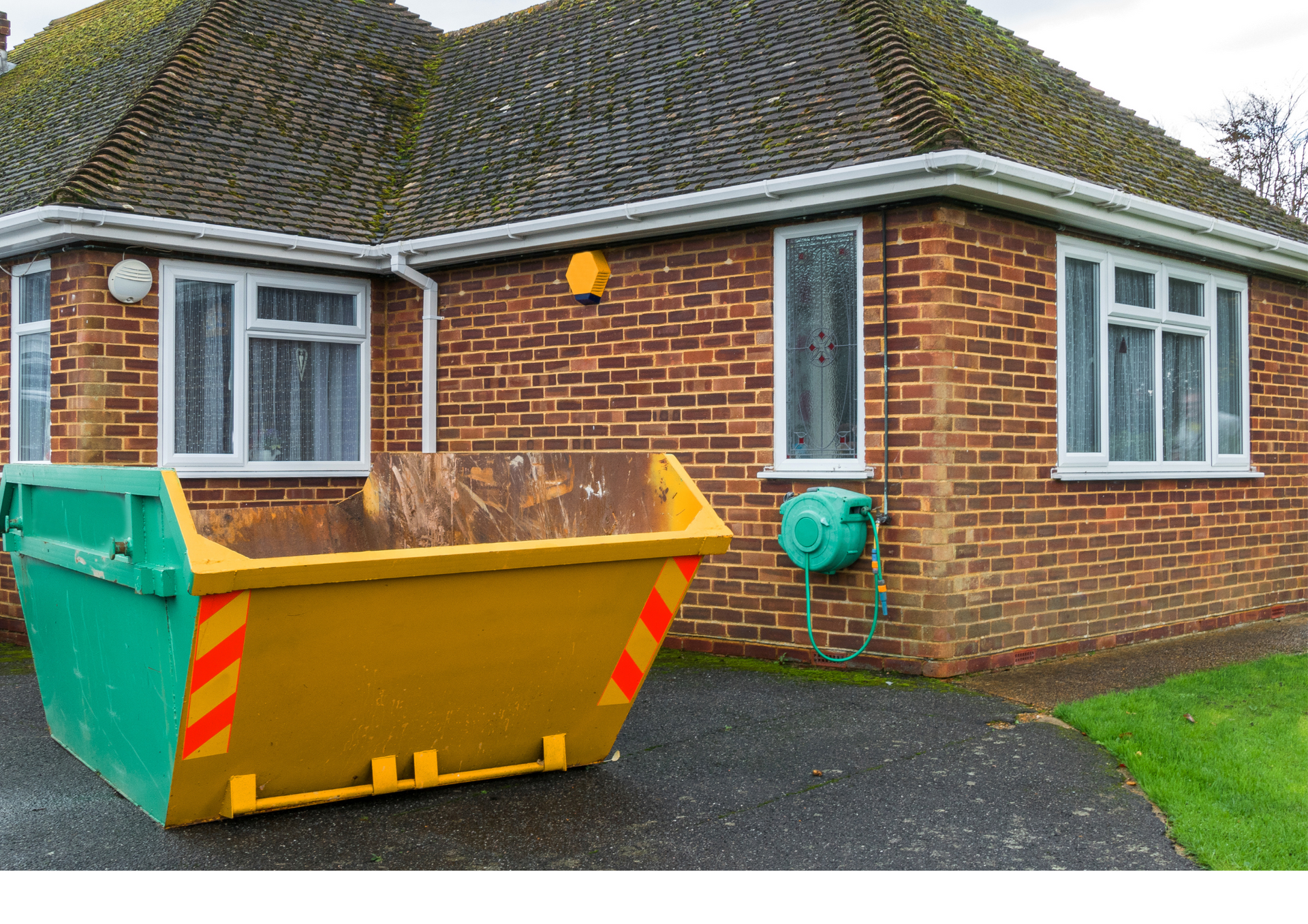
Residential properties may present specific challenges relating to driveway space, access routes, and neighbouring properties. Planning container placement in advance helps minimise inconvenience while maintaining easy access for contractors and occupants.
Commercial projects frequently involve larger waste volumes and more complex logistics. Offices, retail premises, industrial sites, and public buildings often require detailed planning to ensure waste removal activities do not interfere with daily operations. Coordinating disposal arrangements alongside project schedules helps maintain efficiency while reducing disruption.
Landlords managing multiple properties can benefit from organised waste management strategies during refurbishment programmes. Roofing repairs and property upgrades often occur across several locations, making consistent waste disposal arrangements particularly valuable.
Local authorities and public sector organisations may also oversee roofing works on schools, community buildings, housing stock, and public facilities. Structured waste management solutions help support project delivery while maintaining safe and accessible environments for building users.
Construction and roofing projects rarely operate in isolation. Associated works such as gutter replacement, chimney repairs, insulation upgrades, and external renovations can all contribute additional waste. Factoring these elements into disposal planning helps ensure sufficient capacity remains available throughout the project.
Regular communication between contractors, property owners, and waste management providers helps prevent delays and supports efficient project delivery. By anticipating waste requirements from the outset, projects can proceed with fewer interruptions and improved overall organisation.
At
Skip Hire Brighton, we understand the importance of reliable waste management for roofing and construction projects of all sizes. We support homeowners, landlords, surveyors, local authorities, and commercial property managers with practical solutions designed to simplify waste disposal and help projects remain organised from start to finish.
Our website provides clear guidance, straightforward information, and helpful resources to assist customers in selecting suitable options for their specific requirements. Whether you are planning a small roof repair or a larger refurbishment project, we are committed to providing dependable support and practical waste management guidance that helps keep your project running smoothly.
Don't Miss Out on X: Keep roofing and renovation projects organised with
skips.
You might also like