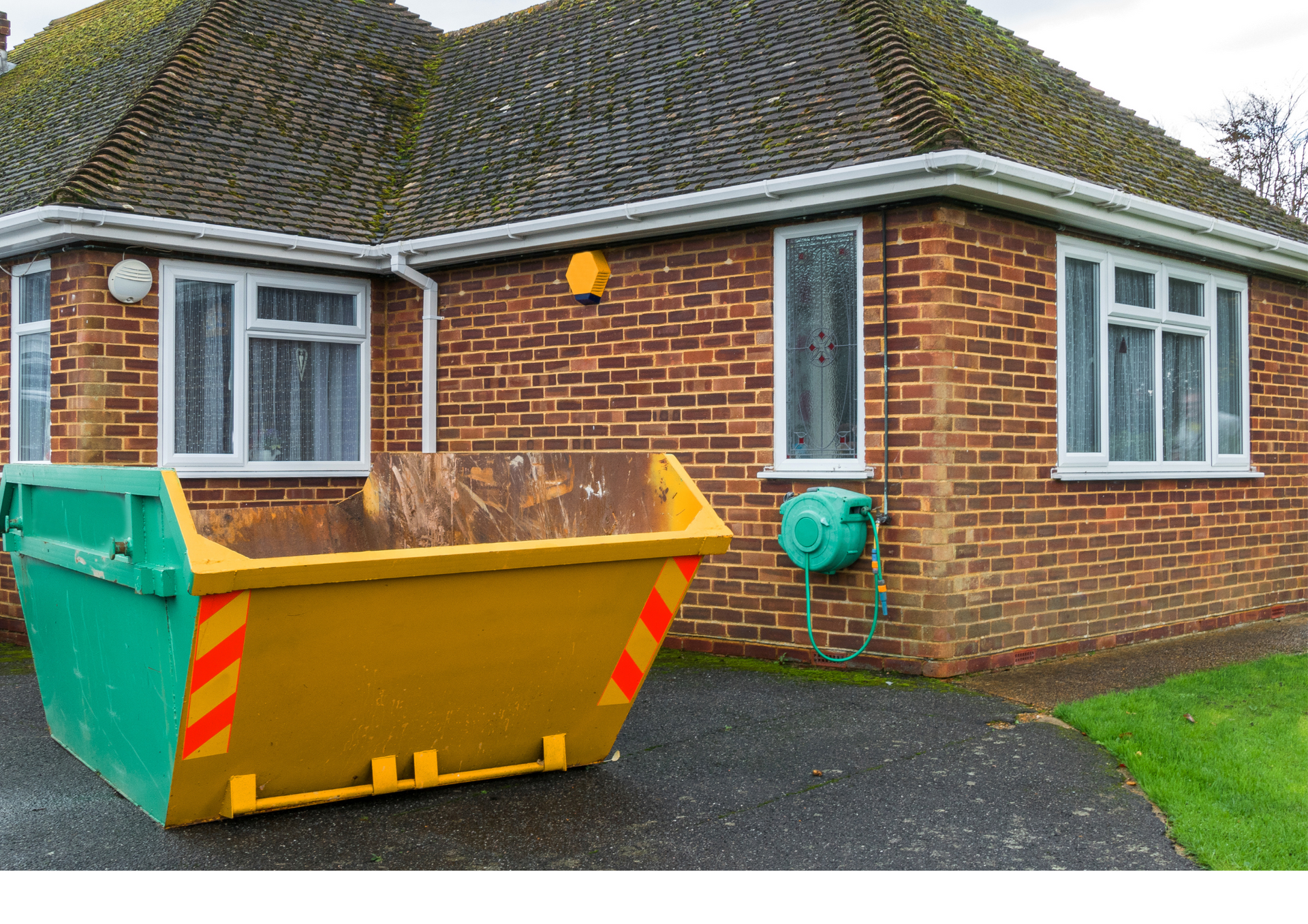

Skip Hire Tips for Keeping Your Building Project Properly Organised
Keeping a building project organised requires careful planning from the moment work begins. Materials arrive, tradespeople move between different areas, equipment needs accessible storage, and unwanted materials can accumulate surprisingly quickly. Without an effective approach to waste management, even a carefully planned project can become cluttered and more difficult to manage. Arranging skip hire at an appropriate stage provides a practical way to contain unwanted materials and maintain clearer working areas throughout construction, renovation or refurbishment work.
This applies to projects of many different scales. A homeowner renovating a kitchen may have old units, packaging and building materials to remove, while landlords could be preparing properties for new occupants. Surveyors and local authorities may oversee larger programmes where organised waste handling needs to form part of broader site planning. Commercial properties can create substantial quantities of material during refurbishment, while residential extensions and structural alterations require ongoing attention to site organisation.
For projects in Brighton and elsewhere, preparation is particularly important where space is limited or access needs careful consideration. Budget Skip Hire helps customers arrange practical waste removal according to their individual project requirements. By planning where waste will go, selecting suitable capacity and coordinating removal with the building schedule, it becomes considerably easier to maintain an orderly site from the first stage of work through to completion.
Plan Waste Management Before Building Work Begins
Good site organisation starts before demolition, construction or refurbishment work gets under way. Thinking about the types of materials that will be removed, the likely quantity and where they can be stored gives everyone involved a clearer plan to follow. Early preparation also helps prevent unwanted materials from being left in areas needed for deliveries, equipment or access.
Estimate Your Waste Volume
- Consider each stage of the building project separately rather than estimating everything as one large quantity.
- Demolition and strip-out stages can generate substantial amounts of material over a relatively short period.
- Later stages may produce packaging, timber offcuts and general construction debris at a steadier rate.
- Allow some flexibility because building work can produce more unwanted material than initially expected.
Choose a Suitable Location
- Identify a practical position before arranging delivery so the container does not obstruct essential working areas.
- Consider how easily workers will be able to move materials from the property or construction area to the chosen location.
- Keep important entrances, driveways and access routes clear wherever possible.
- Properties with restricted space may require additional planning before delivery.
Consider Vehicle Access
- Delivery and collection vehicles require adequate room to approach and manoeuvre.
- Parked vehicles, narrow entrances, low branches, gates and other obstacles should be considered beforehand.
- Discussing access limitations with the provider before booking can prevent complications on delivery day.
- Brighton properties and sites in other built-up locations may require particularly careful access planning.
Match Removal to the Work Schedule
- Identify the stages that are expected to create the greatest amount of waste.
- Arrange capacity so it is available when contractors actually need it rather than occupying space unnecessarily.
- Coordinate collection with important project milestones to keep the site from becoming congested.
- Customers searching for skip hire near me should consider reliability, suitable availability and practical local knowledge alongside convenience.
A little preparation at the beginning can prevent numerous problems later. When everyone working on the site understands where unwanted materials should go and how removal fits into the construction schedule, maintaining an orderly working environment becomes considerably easier.
Keep Waste Controlled Throughout Each Stage of Construction
Organisation should continue after the initial delivery. Building projects constantly change as one trade finishes and another begins, so waste management needs to adapt accordingly. A container that is conveniently positioned is useful, but workers also need a consistent approach to moving materials into it rather than allowing rubbish to collect around different parts of the property.
Regular clearing is generally more effective than waiting until the end of the working day or week. Small amounts of waste can quickly become large piles when several people are working simultaneously. Encouraging materials to be removed from active working areas as tasks are completed helps maintain useful floor space and reduces obstacles.
Different stages of construction can also create very different materials. Initial strip-outs may involve old fixtures, timber and fittings, while later stages can produce packaging and offcuts. Understanding these changes helps project managers anticipate when additional capacity might be required.
Customers considering skip bin hire should think about the complete project rather than only the waste visible at the time of booking. A renovation that initially appears relatively small can produce substantially more material once old kitchens, bathrooms, flooring or internal fittings are removed.
Communication between everyone involved is equally important. Contractors should know where waste belongs and which materials require separate arrangements. If several trades are working on the same property, clear expectations prevent different areas from becoming informal dumping points.
The container itself should also be used efficiently. Materials should be placed inside carefully rather than being allowed to extend beyond acceptable limits. Large items can occupy significant space when positioned poorly, so loading them sensibly can make better use of the available capacity.
For landlords and commercial property managers, maintaining organisation is particularly useful when other areas of a building remain occupied. Keeping building materials and unwanted items contained reduces disruption and presents a more professional environment around the work.
Surveyors and local authorities overseeing projects can similarly benefit from establishing clear waste procedures as part of broader site management. Waste removal then becomes a planned element of the construction programme rather than something addressed only when materials begin causing problems.
Weather should also be considered. Brighton's coastal conditions, like changing weather elsewhere in Britain, can affect exposed working areas. Lightweight materials and packaging should not be left loose where wind could spread them around the property or neighbouring areas. Promptly placing appropriate waste into its designated container helps maintain control regardless of changing conditions.
An organised approach throughout every construction stage ultimately makes final clearance easier. Instead of facing a significant accumulation of unwanted material when work finishes, much of the waste has already been dealt with progressively.

Select Suitable Capacity and Position It Carefully
Choosing suitable capacity and planning its location are closely connected. Larger containers can accommodate greater quantities, but they also require more space. The objective is therefore to select an option appropriate for both the expected waste and the physical characteristics of the site.
Small Renovations
- Decorating projects, minor refurbishments and individual room renovations generally create less material than structural building work.
- Smaller capacities can be practical where available space is restricted.
- Estimating waste before work begins reduces the likelihood of selecting excessive capacity.
- Consider whether additional work is planned before arranging collection.
Larger Residential Work
- Extensions, major refurbishments and extensive property clearances can produce substantial volumes of material.
- Assess each construction stage to estimate how quickly capacity is likely to be used.
- Coordinating removal with the building programme helps prevent interruptions.
- Landlords renovating several areas of a property should consider the combined volume rather than each room individually.
Commercial and Public Projects
- Offices, shops, public buildings and other commercial premises may generate waste continuously during refurbishment.
- Site managers should consider how removal vehicles will access the property without unnecessarily disrupting normal operations.
- Scheduling should account for contractors, deliveries and other vehicles using the premises.
- Appropriate planning helps maintain clear working and public areas where relevant.
Placement and Loading
- Position skip bins where workers can reach them conveniently without obstructing important routes.
- Avoid creating unnecessarily long carrying distances between the active work area and the disposal point.
- Consider delivery and collection requirements as well as convenience during the hire period.
- Discuss unusual access arrangements before delivery so an appropriate approach can be planned.
Selecting capacity carefully contributes directly to good site organisation. An option that is too small can require earlier-than-expected collection, while excessive capacity may occupy valuable space unnecessarily. Matching the solution to the project provides a more practical balance.
Coordinate Collection Around Your Building Programme
Collection should be treated as part of the construction schedule rather than an afterthought. A full container occupying valuable site space can quickly become inconvenient, particularly when the next stage of work requires deliveries or additional equipment.
Project managers should therefore monitor capacity as work progresses. If a major demolition or strip-out stage is approaching, it may be sensible to arrange collection beforehand so sufficient room is available for the next volume of material. Similarly, removing waste after completing a significant phase can provide a cleaner working environment for the trades that follow.
Good communication with the provider makes this process easier. Customers should provide clear information about the site, expected collection requirements and any changes that could affect access. If scaffolding, building materials or contractor vehicles have altered the available space since delivery, these factors should be considered before collection.
People searching for skip bins near me may naturally prioritise local availability, but dependable scheduling is equally important. A provider familiar with the surrounding area can help customers make practical arrangements that fit their project timetable and site requirements.
Residential projects can benefit from scheduling removal around major milestones. Once demolition has finished, for example, clearing accumulated material creates additional space before construction begins. Another collection towards the end of the project can help prepare the property for decorating, landscaping or final inspection.
Commercial projects often require even closer coordination because building work may take place alongside normal business activities. Deliveries and collections should be arranged with consideration for staff, customers, contractors and other vehicles using the premises. Planning these movements in advance reduces unnecessary disruption.
Landlords managing refurbishment between tenancies can use a similar approach. Clearing waste promptly after major work allows cleaning, decorating and other finishing tasks to proceed without unwanted materials occupying the property or surrounding areas.
Site organisation also matters during the final stages of a project. It can be tempting to leave small quantities of waste until everything is complete, but this often creates additional work during final clearance. Removing materials progressively leaves fewer items to deal with before handover.
In Brighton, where properties range from residential streets and period buildings to commercial premises and larger developments, access and project requirements can vary considerably. The same principle applies elsewhere: collection works best when it is coordinated with the actual progress of the job rather than arranged without reference to the construction programme.
Skip Hire Brighton provides practical waste removal solutions for residential and commercial projects throughout Brighton and the surrounding area. We understand that every property and building project presents different requirements, from straightforward home renovations to larger refurbishments where access, capacity and collection schedules need careful coordination.
Our approach focuses on straightforward communication and practical guidance. We help customers consider appropriate capacity, delivery arrangements and collection requirements so waste management can fit naturally around the wider project. For homeowners, landlords, surveyors, local authorities and commercial customers, having clear arrangements in place makes it easier to maintain an organised working environment.
Local knowledge is particularly useful when dealing with Brighton's varied residential streets, commercial areas and properties where available space may require additional consideration. By discussing these details before delivery, suitable arrangements can be made according to the individual site.
Whether you are undertaking a household renovation, managing rental property improvements or coordinating a larger commercial project, aims to make arranging skip hire straightforward and dependable from the initial enquiry through to collection.
Check out our latest X update on how
skip hire helps keep building projects properly organised!
You might also like