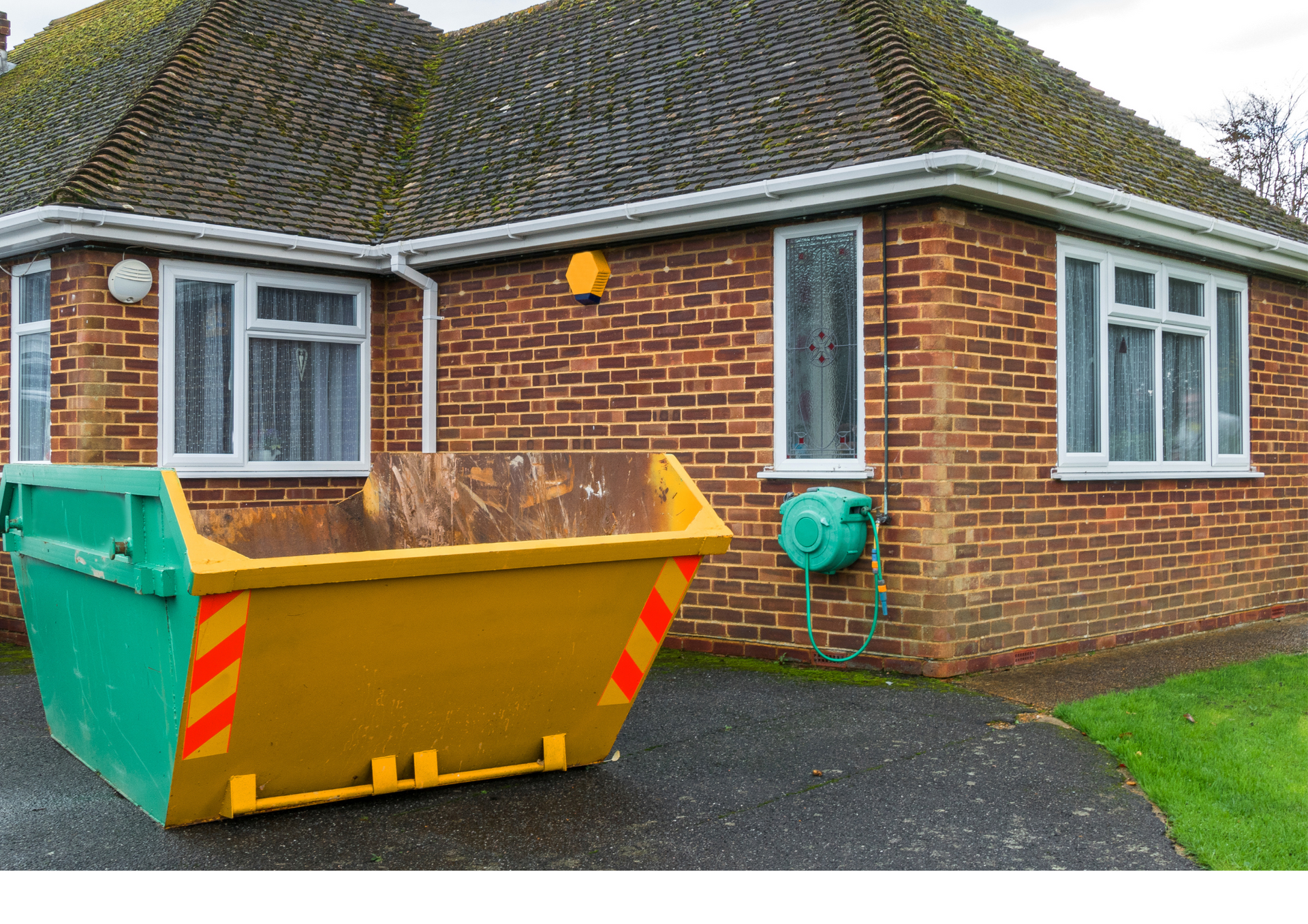

How to Estimate the Number of Skips Needed for Your Project Work
Accurately estimating waste volume is one of the most important steps in planning a renovation, construction job, landscaping project, or large-scale clear-out. Ordering too few containers can cause delays and clutter, while overestimating may result in unnecessary expense. Understanding how to calculate realistic capacity needs helps ensure skips are used efficiently and safely.
Assessing the Type and Volume of Waste
The first step is identifying what materials will be generated. Household clear-outs often produce bulky but lightweight items such as furniture, cardboard, and general clutter. Construction and landscaping work may generate heavier materials such as soil, timber, bricks, and rubble.
Estimating both weight and space requirements is essential. Allowing a modest buffer helps prevent overfilling and reduces the risk of needing an urgent additional collection. When planned properly, skip's capacity helps maintain a steady workflow without repeated trips to disposal facilities.
Breaking the Project Into Phases
Large projects often generate waste in stages rather than all at once. Demolition, installation, and finishing phases can each produce different volumes and types of debris.
Before you order a skip, consider whether containers will be required sequentially rather than simultaneously. Staggering deliveries and collections can support better site organisation and improve access management.
Using Measurements and Practical Guidelines
Rough calculations can help determine capacity requirements. Estimating the number of bin bags, measuring cubic metres of waste, or reviewing previous similar projects provides a useful starting point.
Many customers choose to skip online to confirm size options and compare availability. Digital booking tools can assist with selecting appropriate capacities and scheduling collections that align with project timelines.
Avoiding Overfilling and Compliance Issues
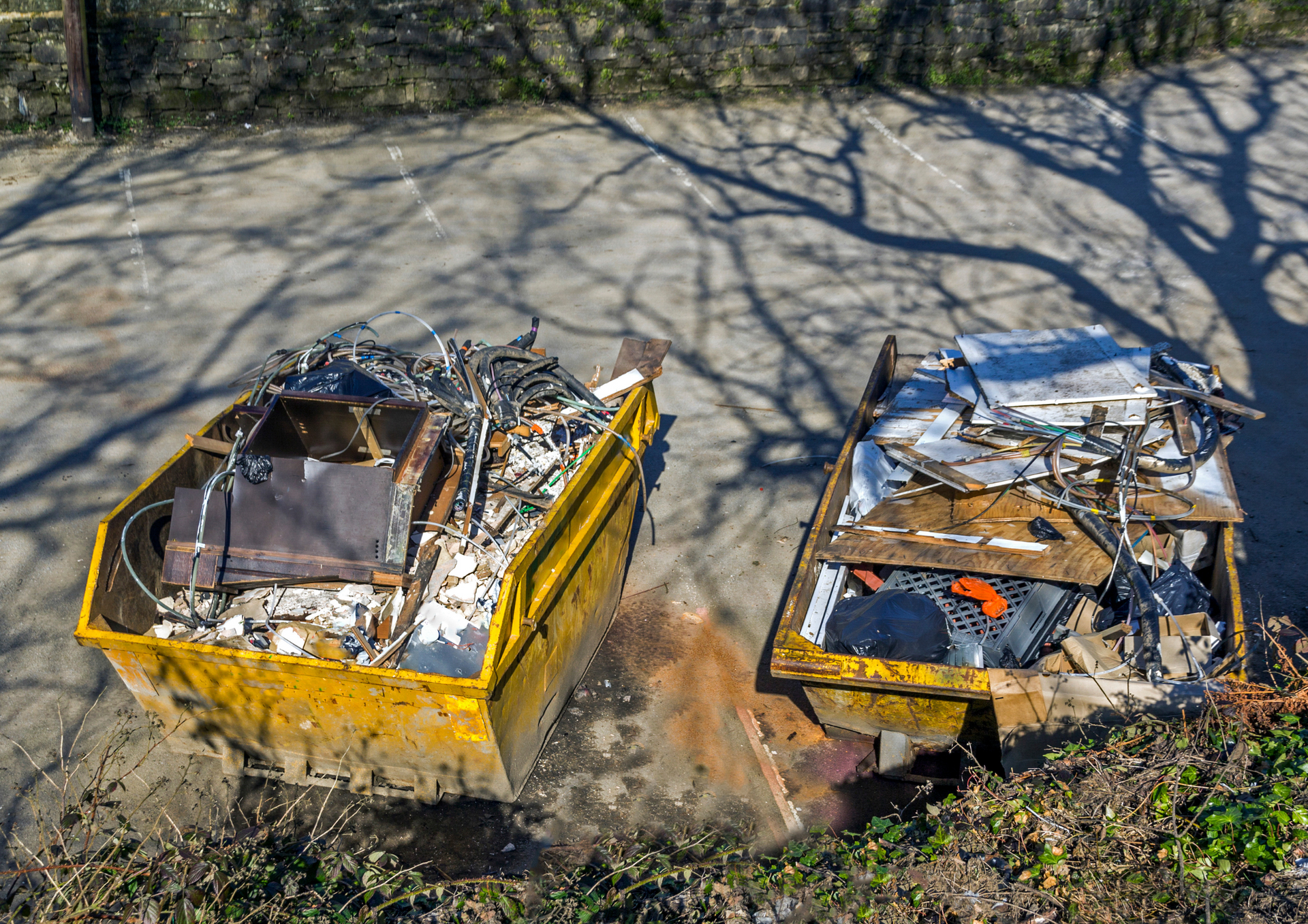
Overfilling containers can lead to safety risks, rejected collections, or additional charges. Understanding the limits of skips and distributing materials evenly helps ensure safe removal.
If unsure, it is often more practical to arrange an additional container than to overload an existing one. Proper planning ensures skips support safe and compliant waste management throughout the project lifecycle.
Estimating waste accurately requires consideration of material type, project scale, and staging. By assessing volume realistically, allowing a buffer, and aligning delivery with key phases,
skips become a dependable part of project planning. Clear preparation reduces delays, supports compliance, and ensures waste removal remains efficient from start to finish.
Skip Hire Brighton is designed to make waste management clear, reliable, and straightforward. Our platform connects customers with trusted local providers who prioritise compliance, recycling, and transparent communication.
Whether you are undertaking a domestic renovation or managing a commercial development, we help you access dependable solutions that support efficient planning and responsible waste handling without unnecessary complexity.
Just out on X: Not sure how many
skips you need? Here’s how to calculate it!
You might also like